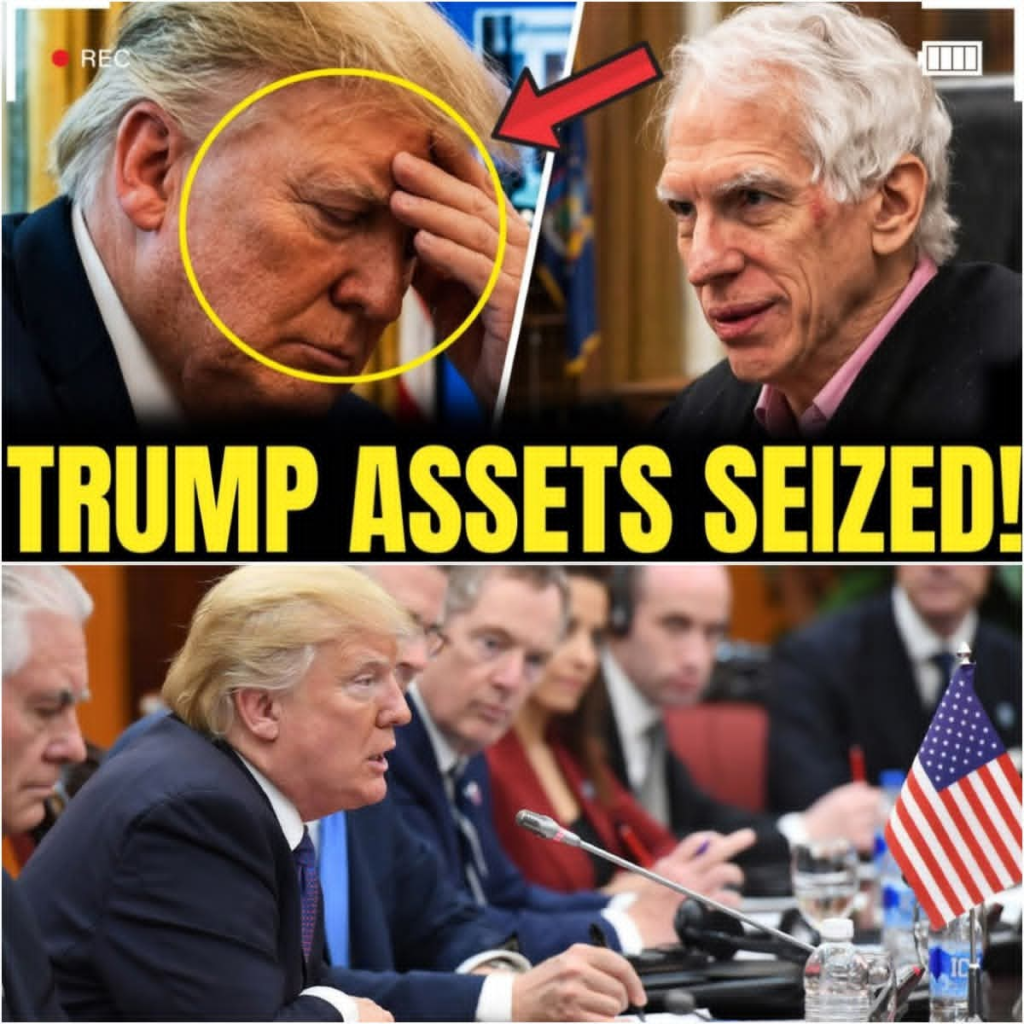
The pressure is real—but the narrative needs context.
In the high-profile civil fraud case involving Donald Trump, a New York court found that business records had been manipulated to inflate asset values. The ruling, pushed forward by New York Attorney General Letitia James, resulted in a massive financial judgment and strict oversight measures on Trump’s business operations.
But here’s where things get critical:
What the court actually did:
Imposed hundreds of millions in penalties
Ordered tight financial monitoring of Trump Organization activities
Restricted the ability to freely manage or restructure certain business assets
What has NOT been fully confirmed:
There is no verified sweeping nationwide seizure of all Trump assets
A court-appointed monitor is overseeing finances—not wholesale confiscation
Asset liquidation or forced sales would require additional legal steps
The real impact: Instead of a sudden collapse, this is more like a slow financial chokehold. The ruling limits flexibility—making it harder to secure loans, move capital, or shield holdings.
“BEYOND RECOVERY?” That depends. Trump’s legal team is actively appealing, and the outcome could shift depending on higher court decisions. But the reputational and financial strain is already significant.
Why it matters: This case isn’t just about one individual—it sets a precedent for how courts handle alleged financial misrepresentation at the highest levels of business and politics.
Bottom line: There’s no dramatic overnight “asset seizure list” confirmed—but the legal and financial constraints now in place are serious, and they’re reshaping the future of Trump’s business empire in real time.
Leave a Reply