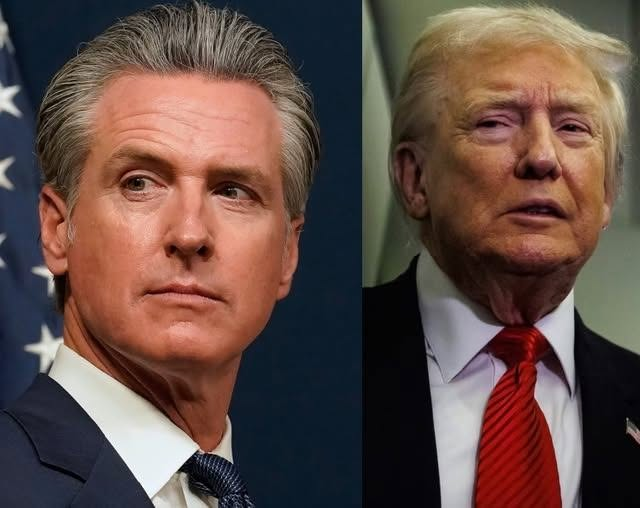
There are moments in global politics when absence speaks louder than presence. And COP30—the United Nations Climate Conference in Brazil—has become exactly that kind of moment. Not just because of who is attending, but because of who is not. In a rapidly shifting geopolitical landscape, California Governor Gavin Newsom’s decision to attend COP30 has turned what would normally be a technical climate summit into something far more symbolic, where domestic American political identity, international climate diplomacy, and global leadership expectations collide. This is not just a story about climate policy. It is a story about visibility, influence, and the vacuum left when federal leadership pulls back from global engagement.
COP30 is expected to be one of the most consequential climate conferences in recent years. Hosted in Brazil, the summit carries enormous symbolic weight as it places the Amazon rainforest, the planet’s largest carbon sink, at the center of global environmental negotiations. World leaders are expected to focus on reducing global greenhouse gas emissions, financing climate adaptation in developing nations, protecting tropical ecosystems, accelerating the transition away from fossil fuels, and strengthening international accountability frameworks. Behind the diplomatic language lies a more urgent reality: the world is running out of time to meet climate targets that scientists say are essential to avoiding the worst effects of global warming. This urgency is what makes participation at COP30 so politically meaningful because in climate diplomacy attendance is not passive, it is a statement.
In most COP summits, the United States plays a central role. As one of the world’s largest economies and historically one of the largest carbon emitters, American participation is typically seen as essential for meaningful progress. But COP30 is different. Reports suggest that no high-profile federal delegation aligned with Donald Trump’s political leadership will attend the summit in Brazil. This absence has been widely interpreted in multiple ways. Some see it as a continuation of a broader skepticism toward international climate agreements. Others see it as a strategic withdrawal from multilateral environmental frameworks. Whatever the motivation, the outcome is the same, a gap in representation from Washington at one of the most important global climate forums of the decade. And into that gap steps state-level leadership.
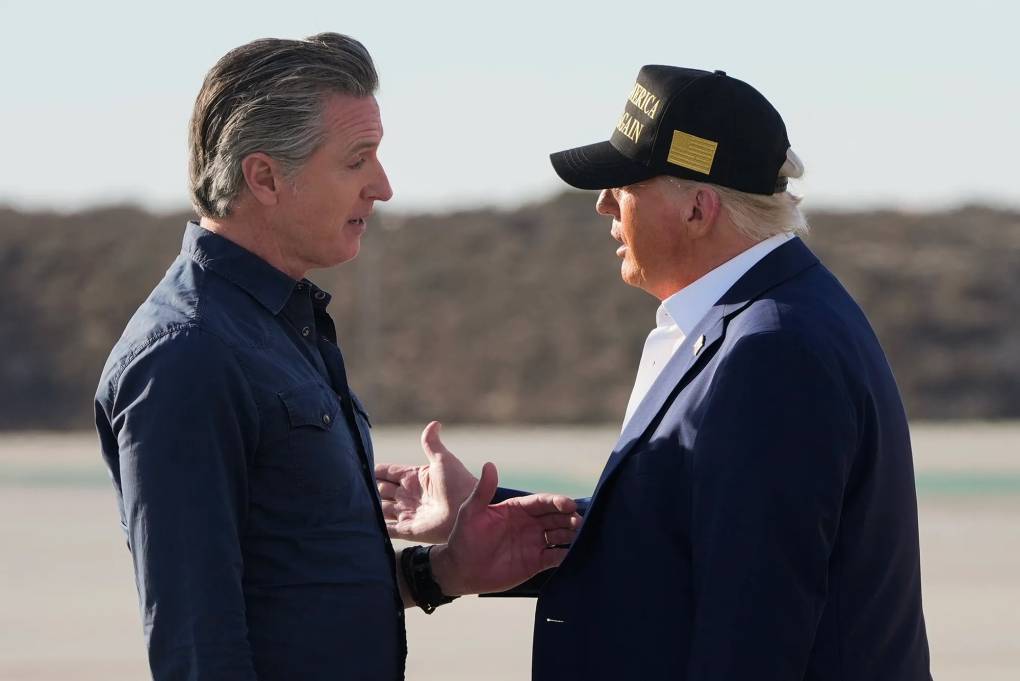
Gavin Newsom is not new to climate politics. As Governor of California, he has positioned the state as a global leader in environmental policy, often aligning more closely with international climate agreements than federal directives. California’s climate initiatives include aggressive emissions reduction targets, expansion of renewable energy infrastructure, electric vehicle mandates and incentives, wildfire and climate resilience programs, and carbon market participation. But attending COP30 elevates Newsom beyond state-level governance and places him in a global diplomatic arena typically reserved for heads of state or federal representatives. This shift matters because in global politics visibility can shape perception of legitimacy.
What makes Newsom’s attendance particularly significant is not just what he represents, but what he does not represent. He is not the President of the United States. He is not a federal envoy. Yet at COP30, he is expected to be one of the highest-profile American figures physically present. This creates an unusual dynamic where a U.S. state governor acts as one of the primary American voices in an international climate negotiation setting. Historically this kind of subnational diplomacy has existed, but rarely at this scale. It reflects a broader trend in global governance where cities and states increasingly act as independent climate actors when national governments are divided or inconsistent. California in particular has long embraced this role.
Climate policy in today’s United States is no longer just environmental regulation. It has become a marker of political identity. For some, climate action represents innovation, global responsibility, and economic transformation. For others, it represents regulatory overreach, energy cost concerns, and sovereignty debates. Gavin Newsom’s presence at COP30 inevitably places him within this ideological divide. Supporters view him as a forward-leaning leader engaging with global partners at a time when cooperation is critical. Critics view the move as political positioning on an international stage. Both interpretations exist simultaneously and both shape how the moment is understood.
Outside the United States, Newsom’s attendance carries a different meaning. International observers are not focused on American internal political competition, they are focused on continuity. Who is present, who is absent, who is making commitments, and who is engaging in negotiations. For developing nations, especially those most affected by climate change, consistency from major economies is crucial. When federal representation is unclear or reduced, alternative voices become more prominent. This is where state-level leadership gains unexpected global visibility.
Hosting COP30 in Brazil adds another layer of complexity. Brazil sits at the center of global climate attention due to the Amazon rainforest, deforestation pressures, and its role in carbon sequestration. The symbolism is powerful: a climate summit in the heart of one of the world’s most critical ecological regions. This amplifies every diplomatic presence and magnifies every absence. In this context Newsom’s participation is not just participation, it is narrative positioning.
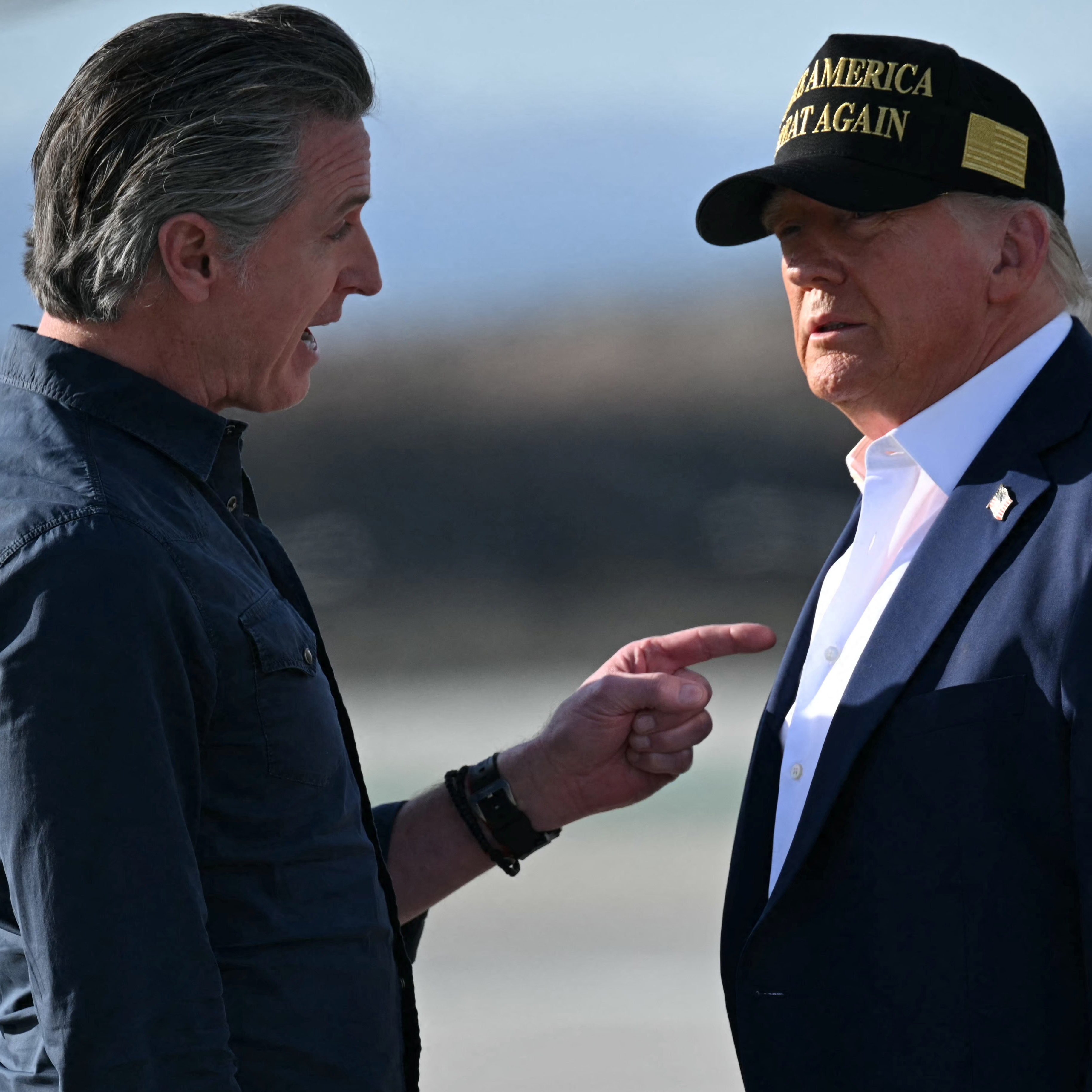
Much of the commentary surrounding COP30 has already moved beyond climate science into economic and political framing. Questions being discussed include who controls the future of energy transition, how quickly economies can realistically decarbonize, what role fossil fuel industries play in policy decisions, and how developing nations should be supported financially. These questions are not new but they are becoming sharper and more tied to political identity both domestically and internationally. Newsom’s critics often frame climate policy through the lens of economic disruption and energy dependency while his supporters frame it as necessary modernization and global responsibility. COP30 becomes the arena where these competing narratives intersect.
One of the central debates emerging from Newsom’s attendance is whether this moment represents a leadership vacuum left by federal withdrawal or a decentralization of American climate leadership. If states like California increasingly engage in global diplomacy the structure of international representation begins to shift. This raises broader questions about whether subnational leaders can influence global policy effectively, whether international institutions can adapt to multi-layered representation, or whether this creates fragmentation in diplomatic coherence. COP30 may not answer these questions but it highlights them.
It is impossible to separate COP30 from media interpretation. Every movement, speech, and appearance will be analyzed through political lenses. For Newsom this means increased visibility but also increased scrutiny. Every statement may be interpreted as policy signaling, presidential positioning, climate advocacy, or political branding. In modern politics international appearances rarely stay confined to their original purpose because they quickly become part of domestic narratives.
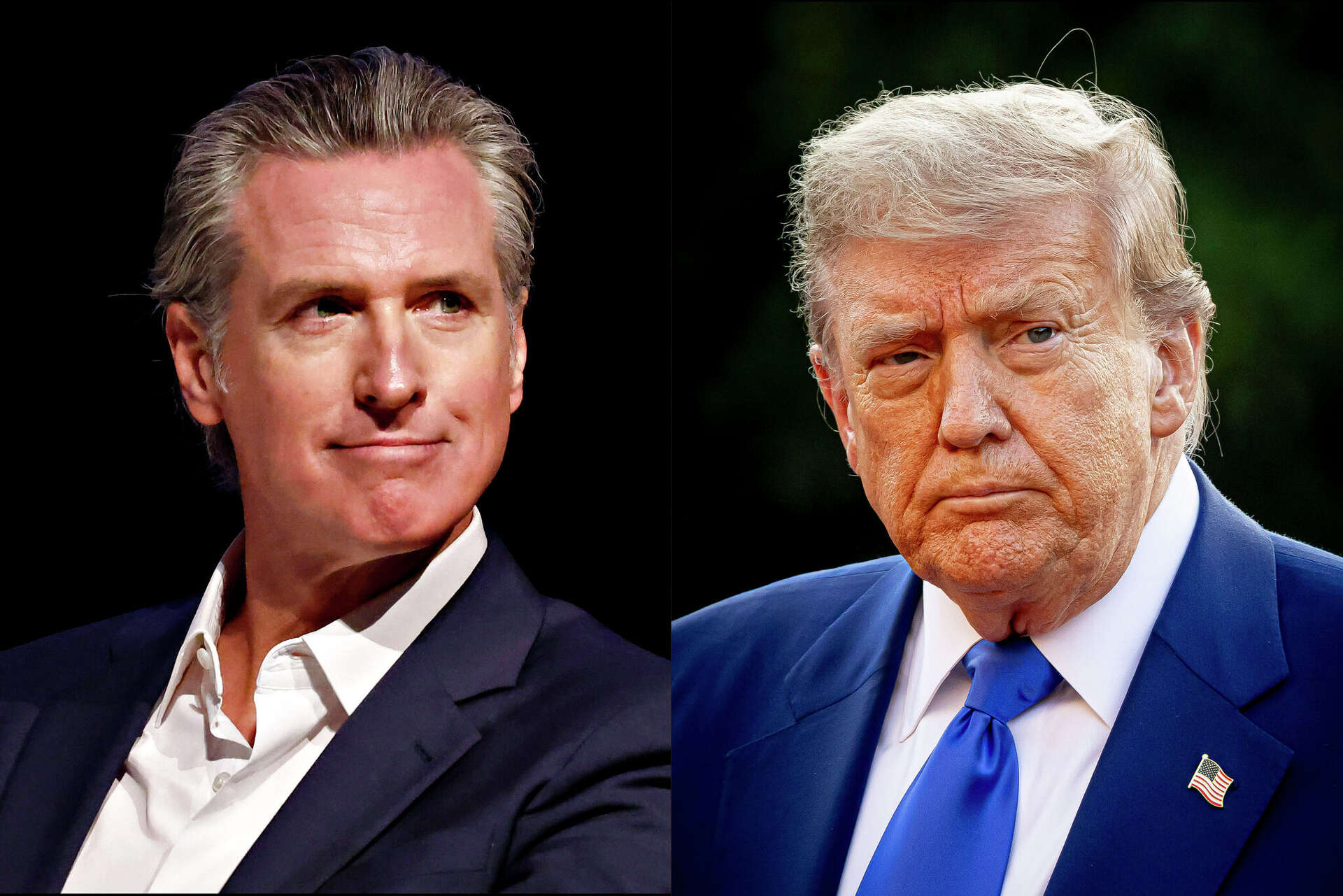
At its core this moment is not about one individual but about structure. About how nations engage with global challenges when internal politics are divided. About whether subnational leaders can meaningfully shape international outcomes. And about how climate change as an issue continues to push governance systems beyond traditional boundaries. COP30 is simply the latest stage where these tensions play out.
Gavin Newsom’s attendance at COP30 will likely be remembered less for a single speech or moment and more for what it represents. A shift in visibility. A redistribution of presence. And a reminder that in global politics silence from one level of leadership often creates space for another to step forward. Whether that shift becomes temporary or transformational will depend on what follows. But one thing is already clear: COP30 is not just a climate conference. It is a reflection of a world where leadership is no longer singular and where the question is not only who leads but who shows up when it matters most.
Leave a Reply