Category: Uncategorized

  • Gavin Newsom at COP30: The Political Vacuum, the Climate Stage, and America’s Divided Voice on the World Scene

    There are moments in global politics when absence speaks louder than presence. And COP30—the United Nations Climate Conference in Brazil—has become exactly that kind of moment. Not just because of who is attending, but because of who is not. In a rapidly shifting geopolitical landscape, California Governor Gavin Newsom’s decision to attend COP30 has turned what would normally be a technical climate summit into something far more symbolic, where domestic American political identity, international climate diplomacy, and global leadership expectations collide. This is not just a story about climate policy. It is a story about visibility, influence, and the vacuum left when federal leadership pulls back from global engagement.

    COP30 is expected to be one of the most consequential climate conferences in recent years. Hosted in Brazil, the summit carries enormous symbolic weight as it places the Amazon rainforest, the planet’s largest carbon sink, at the center of global environmental negotiations. World leaders are expected to focus on reducing global greenhouse gas emissions, financing climate adaptation in developing nations, protecting tropical ecosystems, accelerating the transition away from fossil fuels, and strengthening international accountability frameworks. Behind the diplomatic language lies a more urgent reality: the world is running out of time to meet climate targets that scientists say are essential to avoiding the worst effects of global warming. This urgency is what makes participation at COP30 so politically meaningful because in climate diplomacy attendance is not passive, it is a statement.

    In most COP summits, the United States plays a central role. As one of the world’s largest economies and historically one of the largest carbon emitters, American participation is typically seen as essential for meaningful progress. But COP30 is different. Reports suggest that no high-profile federal delegation aligned with Donald Trump’s political leadership will attend the summit in Brazil. This absence has been widely interpreted in multiple ways. Some see it as a continuation of a broader skepticism toward international climate agreements. Others see it as a strategic withdrawal from multilateral environmental frameworks. Whatever the motivation, the outcome is the same, a gap in representation from Washington at one of the most important global climate forums of the decade. And into that gap steps state-level leadership.
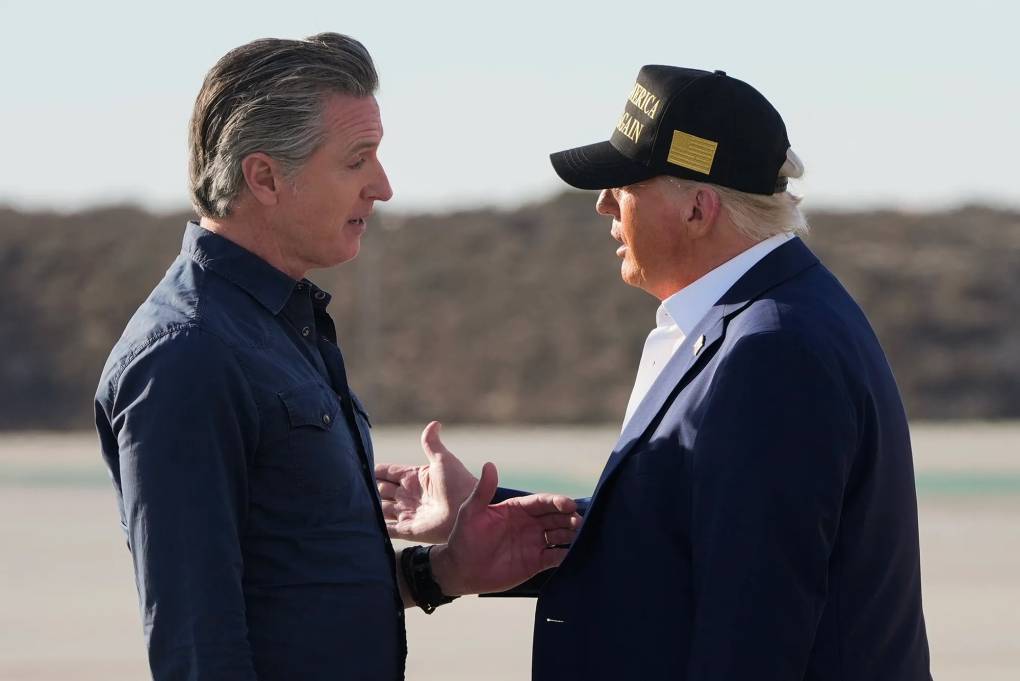
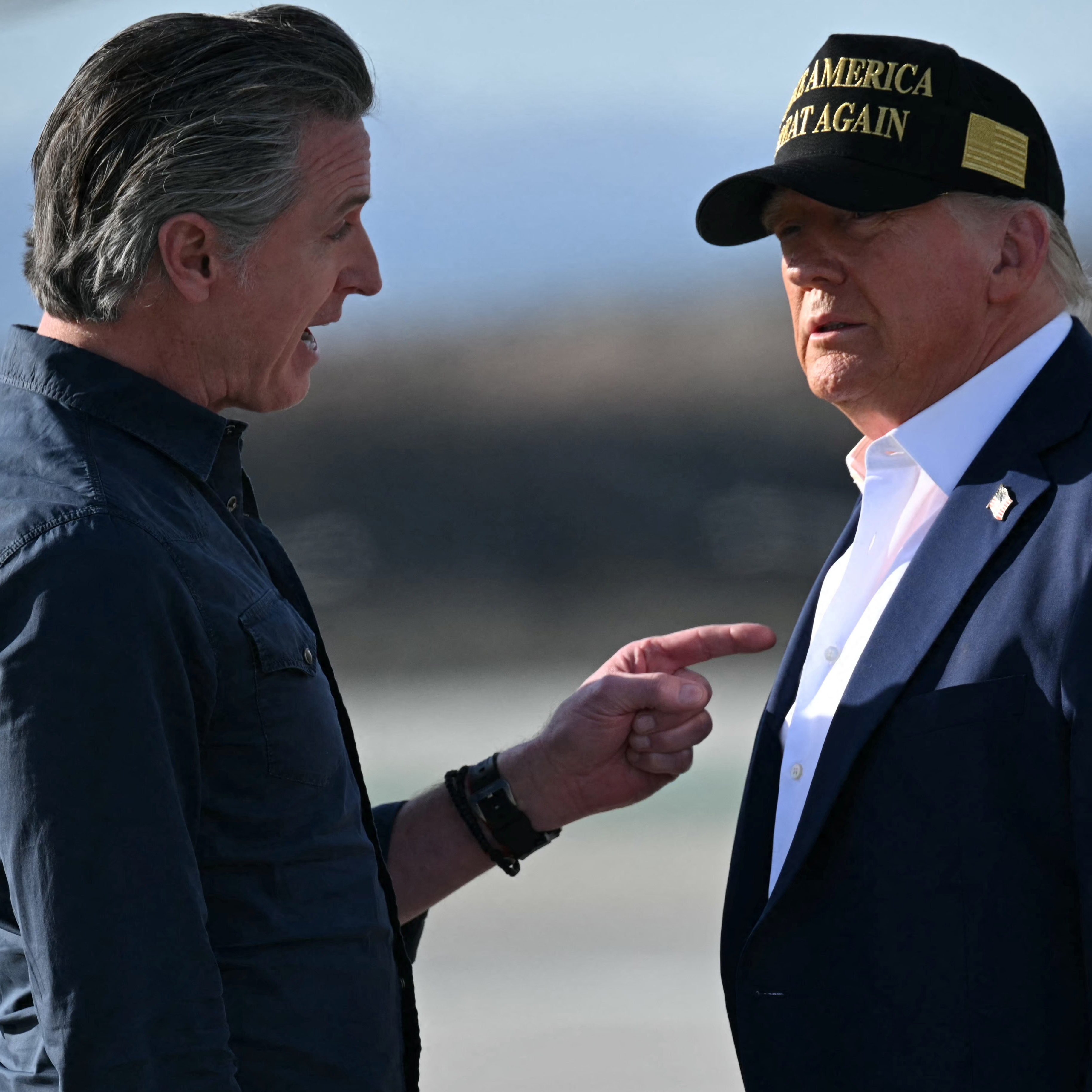
    Trump and Newsom Embrace in Fire-Ravaged LA, but the President Wants to Tie  Federal Aid to Voter ID | KQED

    Gavin Newsom is not new to climate politics. As Governor of California, he has positioned the state as a global leader in environmental policy, often aligning more closely with international climate agreements than federal directives. California’s climate initiatives include aggressive emissions reduction targets, expansion of renewable energy infrastructure, electric vehicle mandates and incentives, wildfire and climate resilience programs, and carbon market participation. But attending COP30 elevates Newsom beyond state-level governance and places him in a global diplomatic arena typically reserved for heads of state or federal representatives. This shift matters because in global politics visibility can shape perception of legitimacy.

    What makes Newsom’s attendance particularly significant is not just what he represents, but what he does not represent. He is not the President of the United States. He is not a federal envoy. Yet at COP30, he is expected to be one of the highest-profile American figures physically present. This creates an unusual dynamic where a U.S. state governor acts as one of the primary American voices in an international climate negotiation setting. Historically this kind of subnational diplomacy has existed, but rarely at this scale. It reflects a broader trend in global governance where cities and states increasingly act as independent climate actors when national governments are divided or inconsistent. California in particular has long embraced this role.

    Climate policy in today’s United States is no longer just environmental regulation. It has become a marker of political identity. For some, climate action represents innovation, global responsibility, and economic transformation. For others, it represents regulatory overreach, energy cost concerns, and sovereignty debates. Gavin Newsom’s presence at COP30 inevitably places him within this ideological divide. Supporters view him as a forward-leaning leader engaging with global partners at a time when cooperation is critical. Critics view the move as political positioning on an international stage. Both interpretations exist simultaneously and both shape how the moment is understood.

    Outside the United States, Newsom’s attendance carries a different meaning. International observers are not focused on American internal political competition, they are focused on continuity. Who is present, who is absent, who is making commitments, and who is engaging in negotiations. For developing nations, especially those most affected by climate change, consistency from major economies is crucial. When federal representation is unclear or reduced, alternative voices become more prominent. This is where state-level leadership gains unexpected global visibility.

    Hosting COP30 in Brazil adds another layer of complexity. Brazil sits at the center of global climate attention due to the Amazon rainforest, deforestation pressures, and its role in carbon sequestration. The symbolism is powerful: a climate summit in the heart of one of the world’s most critical ecological regions. This amplifies every diplomatic presence and magnifies every absence. In this context Newsom’s participation is not just participation, it is narrative positioning.
    Newsom Trolls Trump Over His 'Warm Epstein Welcome' in U.K.

    Much of the commentary surrounding COP30 has already moved beyond climate science into economic and political framing. Questions being discussed include who controls the future of energy transition, how quickly economies can realistically decarbonize, what role fossil fuel industries play in policy decisions, and how developing nations should be supported financially. These questions are not new but they are becoming sharper and more tied to political identity both domestically and internationally. Newsom’s critics often frame climate policy through the lens of economic disruption and energy dependency while his supporters frame it as necessary modernization and global responsibility. COP30 becomes the arena where these competing narratives intersect.

    One of the central debates emerging from Newsom’s attendance is whether this moment represents a leadership vacuum left by federal withdrawal or a decentralization of American climate leadership. If states like California increasingly engage in global diplomacy the structure of international representation begins to shift. This raises broader questions about whether subnational leaders can influence global policy effectively, whether international institutions can adapt to multi-layered representation, or whether this creates fragmentation in diplomatic coherence. COP30 may not answer these questions but it highlights them.

    It is impossible to separate COP30 from media interpretation. Every movement, speech, and appearance will be analyzed through political lenses. For Newsom this means increased visibility but also increased scrutiny. Every statement may be interpreted as policy signaling, presidential positioning, climate advocacy, or political branding. In modern politics international appearances rarely stay confined to their original purpose because they quickly become part of domestic narratives.
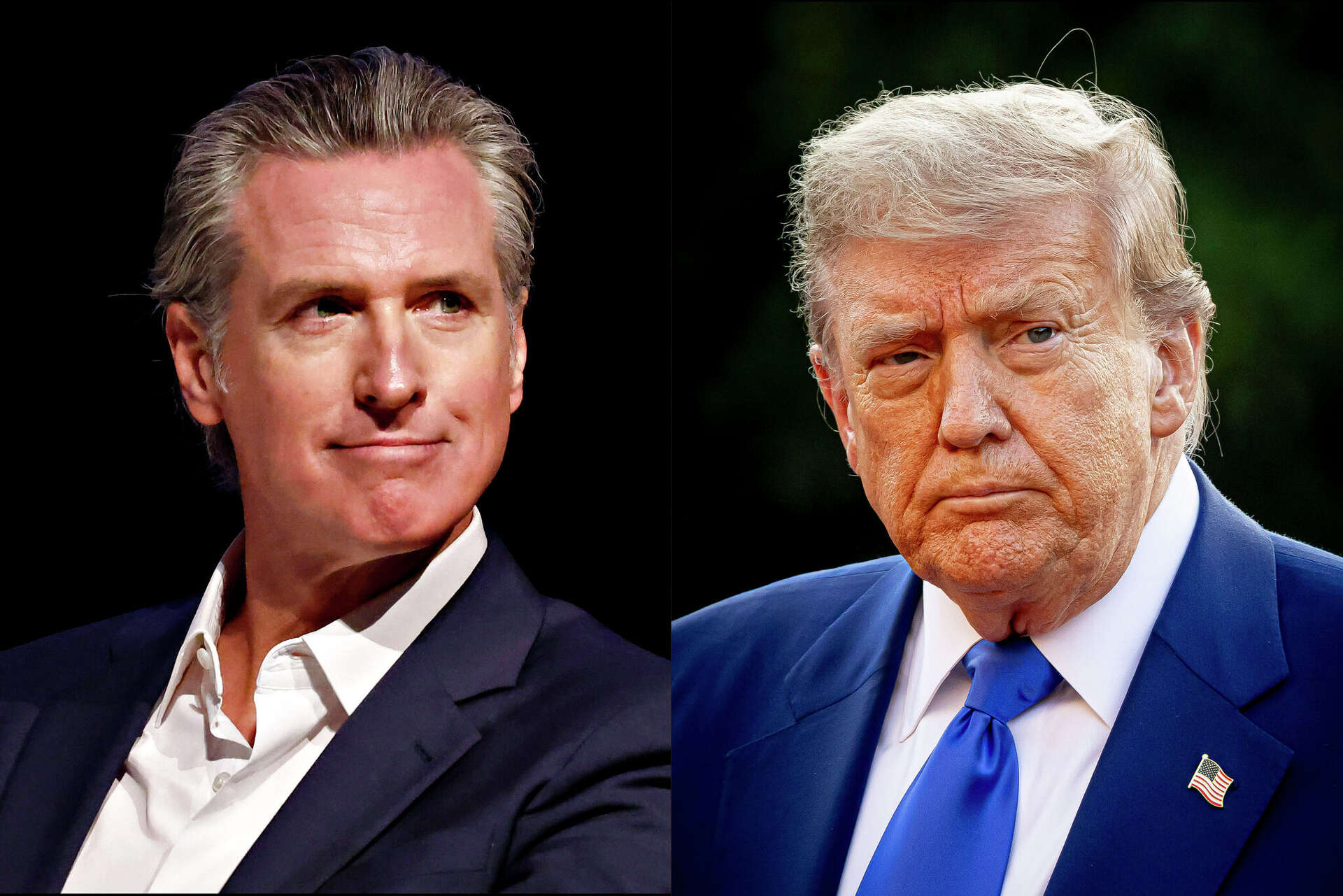
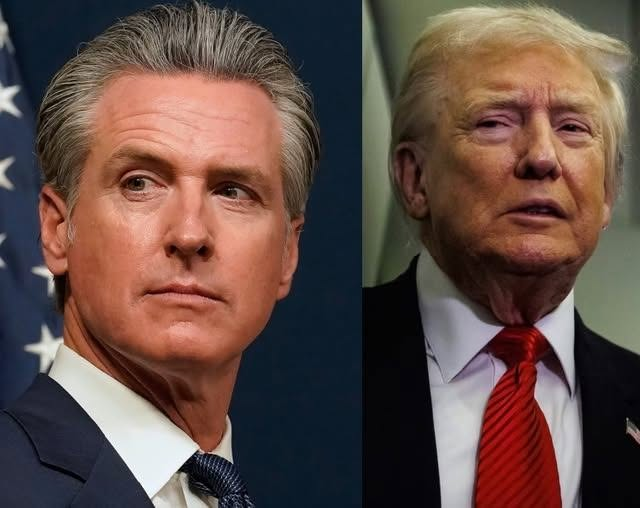
    Newsom, Trump closer on crime and homelessness than ...

    At its core this moment is not about one individual but about structure. About how nations engage with global challenges when internal politics are divided. About whether subnational leaders can meaningfully shape international outcomes. And about how climate change as an issue continues to push governance systems beyond traditional boundaries. COP30 is simply the latest stage where these tensions play out.

    https://youtube.com/watch?v=WixEaigDSyU%3Ffeature%3Doembed

    Gavin Newsom’s attendance at COP30 will likely be remembered less for a single speech or moment and more for what it represents. A shift in visibility. A redistribution of presence. And a reminder that in global politics silence from one level of leadership often creates space for another to step forward. Whether that shift becomes temporary or transformational will depend on what follows. But one thing is already clear: COP30 is not just a climate conference. It is a reflection of a world where leadership is no longer singular and where the question is not only who leads but who shows up when it matters most.
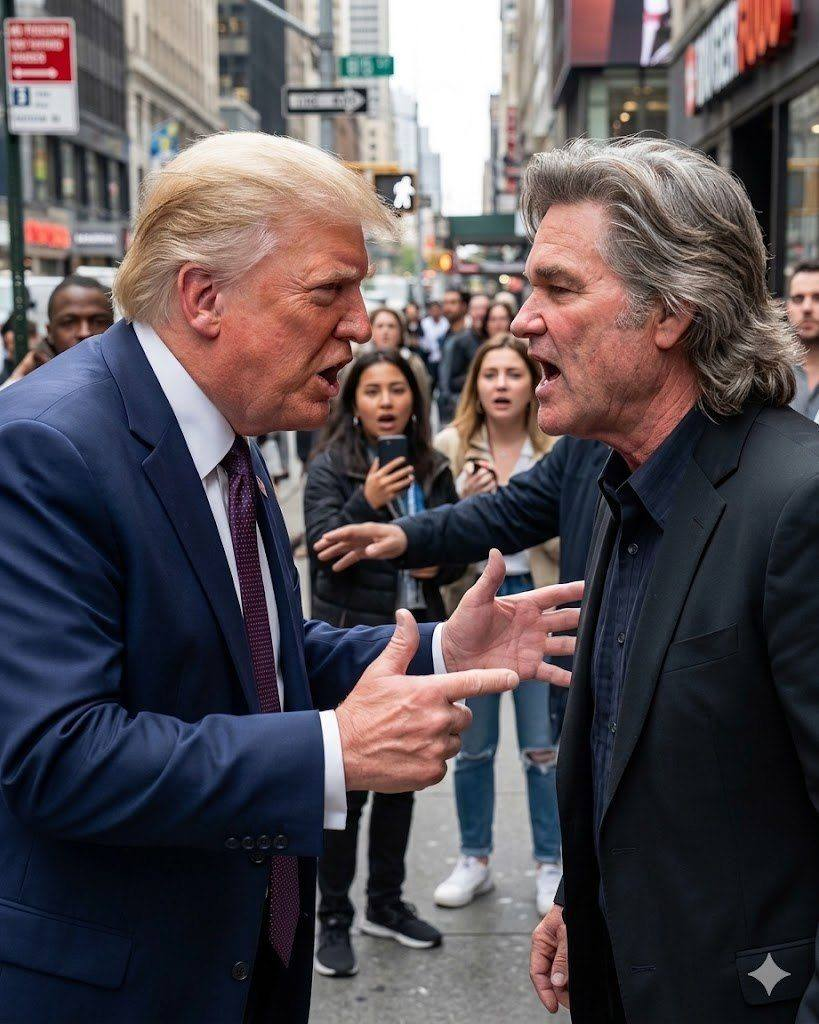
  • Trump Attacks Kurt Russell — and Receives a Scathing “Lesson” He Won’t Soon Forget

    A Miscalculation: Donald Trump’s Attack on Kurt Russell
    In the ever-changing world of politics, few moments stand out as truly memorable. Some moments are filled with controversy, while others carry more weight because of the people involved and the consequences that follow. Donald Trump, never one to shy away from making bold statements, thought he could score some easy political points by attacking one of Hollywood’s most beloved figures — Kurt Russell.

    It was a move that, at first glance, seemed to fit Trump’s usual repertoire. A public figure like Russell, known for his support of the transgender community and his vocal belief that “transgender children are also God’s children,” was an easy target for Trump, whose political rhetoric often seeks to appeal to his base by attacking those who fall into the “liberal” camp. But Trump, perhaps unaware of who he was up against, found himself on the receiving end of a moral challenge unlike any he had encountered before.

    Trump’s attack was simple, if not crude. He labeled Russell an “offender of Jesus” — a direct attempt to vilify the actor based on his progressive views, particularly around gender equality and his belief in God’s non-discriminatory nature. In his usual fashion, Trump sought to turn public opinion against Russell, a man who had never been shy about using his platform to advocate for kindness, equality, and understanding. What Trump didn’t anticipate, however, was that Kurt Russell, a man known for his legendary acting career and deep moral convictions, would respond not with anger, but with a profound and powerful moral indictment.


    The Historic Setting: Kurt Russell’s Response
    Russell’s reply came not in the form of an angry tweet or a fiery speech, but in a quiet yet forceful statement delivered from a place steeped in history. It was as though he understood that the message he was about to deliver was more than just a defense of himself; it was an opportunity to speak on behalf of something far greater: the true essence of Christianity, compassion, and humanity.

    Standing before a crowd, Russell’s voice rang out with quiet authority as he began, “The President of the United States just declared that I am an offender of Jesus. Do you want to know what truly offends Jesus?” His words hung in the air, and the audience listened in stunned silence, waiting for what would come next.

    Rather than retreating into the kind of defensive rhetoric one might expect from a person under attack, Kurt Russell turned the tables on his opponent. He didn’t just defend himself — he launched into a powerful moral lesson that would resonate long after his words had left the stage.

    Có thể là hình ảnh về Phòng Bầu dục

    The Powerful Moral Indictment: A Call for Compassion
    Russell didn’t need to rely on insult or aggression to make his point. Instead, he grounded his response in the very teachings that Trump had weaponized against him. He began by addressing the issues that truly offend Jesus — things that, in Russell’s view, represented the very opposite of the compassion and love that Jesus taught.

    “The things that offend Jesus are not gender identity or progressive beliefs,” Russell declared. “What offends Jesus is stripping away healthcare from the sick, while cutting taxes for billionaires.”

    His voice was steady, but the words were a punch to the gut of any person who claims to be a Christian but disregards the teachings of the man they profess to follow. Russell’s message was clear: True Christianity is not about adhering to an agenda or using religion as a weapon against others. It is about love, justice, and compassion for all people, especially the most vulnerable.

    He continued, “Do you know what else offends Jesus? It is deporting strangers and tearing children from their mothers’ arms.” This, too, was a clear and pointed criticism of Trump’s policies, particularly his stance on immigration and the treatment of refugees. Kurt Russell wasn’t just defending his own values; he was standing up for those who had no voice, those who had been marginalized by political systems.


    Going Further: War, Corruption, and Hypocrisy
    But Russell’s response didn’t stop there. As if to underscore the depth of his conviction, he took aim at the very foundations of power that allowed such injustices to persist.

    “Do you know what offends Jesus? It is bombing and killing innocent schoolchildren in Iran, and sending our brave soldiers — men and women alike — to their deaths in endless, perpetual wars.” These words were a direct challenge to the militaristic policies that had defined much of U.S. foreign policy in recent decades. Russell’s message was one of pacifism and human dignity, something that felt especially poignant in a world increasingly defined by violence, war, and military conflict.

    And yet, he didn’t stop there. Kurt Russell’s moral indictment continued as he raised another issue of profound importance: corruption and hypocrisy. “It is covering up records related to Epstein, and then refusing to prosecute anyone involved.” His words were a stark reminder of the deep-seated corruption that pervades systems of power, where those at the top are often shielded from justice while the rest of the world suffers.

    By the time Russell finished speaking, it was clear that he had done more than just defend his views. He had taken the moral high ground, holding up a mirror to a society and political system that had lost its way. Instead of returning insult for insult, he had delivered a comprehensive critique of the very issues that should matter most to Christians and to all people who value compassion, justice, and human dignity.


    The Heart of the Message: Love and Compassion
    Kurt Russell’s response was not just a political statement — it was a spiritual one. In his final moments on the stage, he delivered what many would call the most powerful statement of all:

    “I am not a perfect Christian. There is only one perfect Christian, and He was crucified 2,000 years ago.”

    This humility was the key to his message. By acknowledging that no one is perfect, Russell reminded the audience that Christianity is not about self-righteousness or condemnation but about striving to be better, to love one another, and to extend grace and forgiveness. It was this humility that lent weight to his moral critique, making it not just a response to Trump, but a message for all who would listen.

    And then, Kurt Russell delivered the most profound statement of all, a challenge to all those who profess to follow Christ: “Jesus taught us to love our neighbors as ourselves. Can we imagine war in Heaven? Can we imagine discrimination in Heaven? Can we imagine poverty in Heaven? Then why do we tolerate such things right here — on Earth?”

    This was the heart of his message. This was the call to action. If we can’t imagine the evils of the world existing in Heaven, why do we accept them here on Earth? Russell’s words were a call for all of us — regardless of political beliefs or affiliations — to examine the way we live and the way we treat others.

  • BREAKING: Trump must pay E. Jean Carroll $5 million after Supreme Court denies his appeal…. full shocking details 

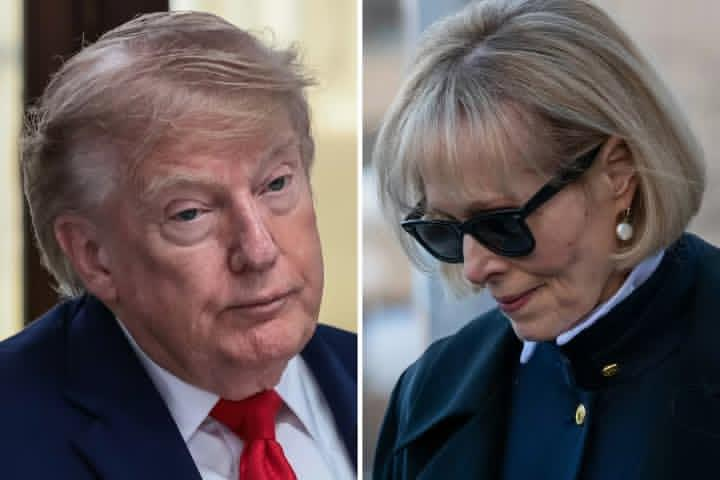
    BREAKING: The U.S. Supreme Court has refused to hear Donald Trump’s appeal in the E. Jean Carroll case, leaving the $5 million judgment against him in place.

    The case stems from a jury finding that Trump sexually abused and defamed writer E. Jean Carroll, a decision that has remained one of the most talked-about legal battles in recent years.

    With the Supreme Court stepping aside, the ruling now stands — adding even more legal pressure as Trump continues his political comeback efforts.

    Supporters call it politically motivated, while critics say it’s another major blow to his public image.

    What do you think — justice served or political warfare?

     Drop your thoughts below and read the full shocking details.

  • Pennsylvania Rally Puts Politics Back in the Spotlight

    Pennsylvania has once again become one of the most closely watched states in American politics. A recent political rally attracted significant public attention, drawing supporters, critics, and media coverage from across the country. While campaign events often generate discussion, this gathering reignited conversations about leadership, policy priorities, and the direction of the upcoming election season.

    Large political rallies are more than speeches—they are opportunities for candidates to connect directly with voters. Supporters attend to hear campaign messages firsthand, while opponents often use the same events to voice their disagreements. As a result, these gatherings frequently become major talking points both online and offline.

    Following the rally, political leaders, commentators, and community members shared a wide range of opinions. Some praised the energy and enthusiasm displayed by attendees, while others questioned the policies and messages presented during the event. The variety of reactions highlights how deeply divided political opinions remain across the United States.

    Pennsylvania continues to play an important role in national elections due to its large and diverse population. Campaigns from both major parties often invest considerable time and resources in the state, making every major appearance closely watched by political observers.

    Beyond the headlines, many voters remain focused on issues that directly affect their daily lives. Topics such as the economy, job opportunities, healthcare, education, public safety, and the cost of living continue to shape conversations as election season approaches.

    Political analysts suggest that campaign events like this can influence public discussion, encourage voter participation, and help candidates communicate their priorities. However, the long-term impact of any single rally often depends on how voters respond over time rather than on immediate reactions.

    As the campaign season continues, Pennsylvania is expected to remain a central stage for political activity. With more events, debates, and public appearances likely in the coming months, voters will have additional opportunities to evaluate the messages and proposals presented by those seeking public office.

    Regardless of political preference, informed participation and respectful discussion remain essential parts of the democratic process. The conversations sparked by events like this reflect the importance of civic engagement and the role voters play in shaping the future.

  • Trump’s $1 Billion Ballroom Plan Sparks New Debate ⭐

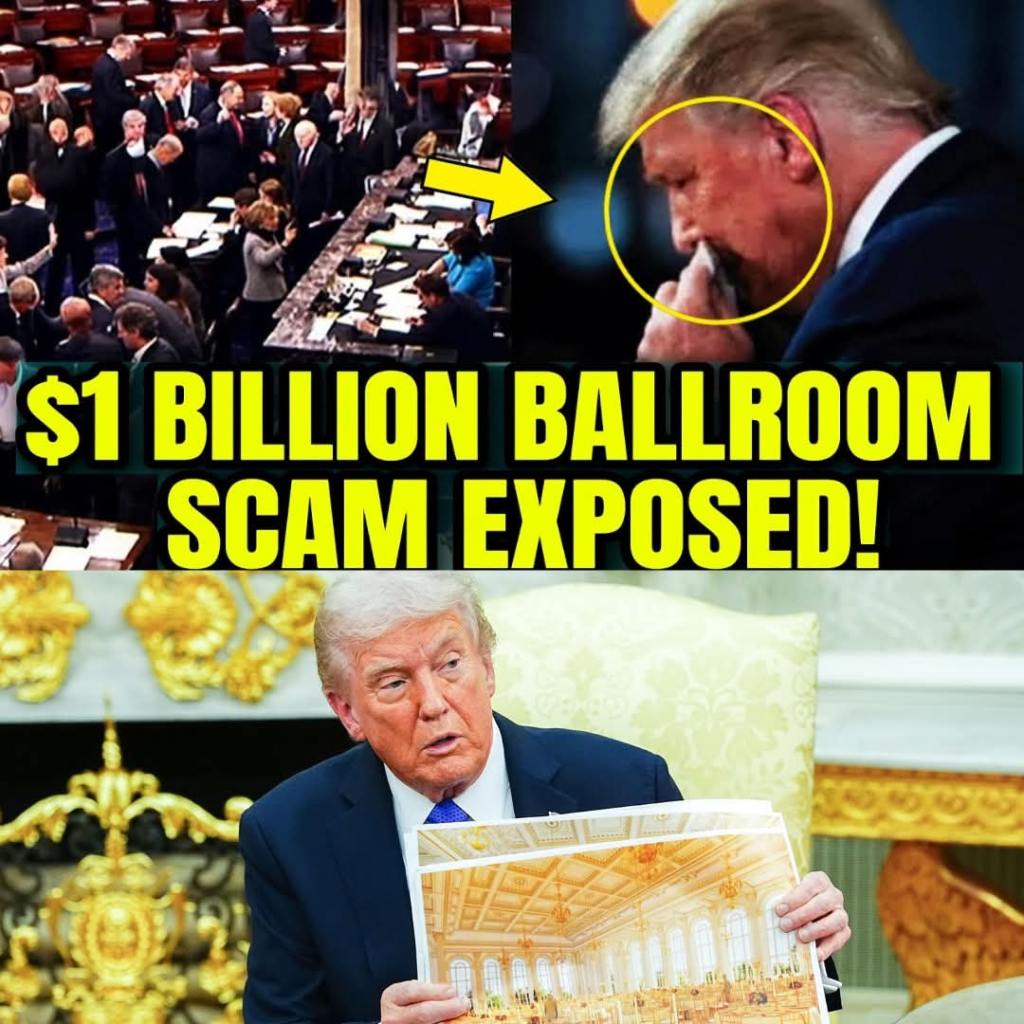
    A proposal for a large-scale ballroom project associated with President Donald Trump has sparked widespread discussion across political and public circles. Reports about the estimated cost have led to renewed conversations over government spending, historical preservation, and the priorities of public projects.

    Supporters argue that a modern ballroom could provide an improved venue for official events, international gatherings, and state functions. They believe such a facility could enhance the country’s ability to host major occasions while updating existing infrastructure.

    Critics, however, have questioned the project’s reported price tag and whether the investment would be the best use of public resources. Some believe funding should instead focus on areas such as infrastructure, education, healthcare, or other national priorities. These differing viewpoints have fueled debate on social media, television programs, and political forums.

    The proposal has also drawn attention because of its potential impact on a historic government property. Preservation advocates emphasize the importance of protecting the character and architectural heritage of iconic public buildings, while others argue that modernization and preservation can coexist through careful planning.

    Political analysts note that large government projects often become part of broader election-season discussions. Beyond the construction itself, debates frequently center on fiscal responsibility, transparency, and how taxpayer money should be allocated.

    As public conversation continues, officials, experts, and citizens are expected to closely examine the proposal’s details, projected costs, and potential benefits before any significant decisions are made.

    Whether viewed as an ambitious modernization effort or a proposal deserving closer scrutiny, the ballroom project has become another topic shaping the national political conversation. As more information becomes available, the discussion is likely to remain in the spotlight in the weeks ahead.

  • Leaked Emails Reveal RFK Jr.’s CDC Move

    BREAKING: Newly leaked emails have ignited a political firestorm around RFK Jr.’s early actions inside the CDC.

    The documents reportedly reveal that shortly after taking office, orders were given to pause vaccine-related ad campaigns, including flu shot messaging, while officials were instructed to route major scientific decisions through political channels before moving forward.
    The emails also suggest renewed efforts to revisit the long-debunked claim linking vaccines to autism — a move that has alarmed public health experts and lawmakers alike.
    Critics argue this goes far beyond “reform,” calling it dangerous political interference in science and a direct threat to public trust during flu season. Supporters, however, say it’s part of a broader push for transparency and accountability in public health.
    What’s making this even more explosive is the contrast between Kennedy’s public testimony, where he acknowledged the importance of vaccines, and the private actions described in these internal communications.
    Now, questions are mounting: Was this an attempt to reshape health policy — or undermine it from within?
    The fallout is growing, and the debate is far from over.

  • BREAKING: New FBI Evidence Reportedly Points Toward Criminal Charges Against Trump

    BREAKING: New FBI Evidence Reportedly Points Toward Criminal Charges Against Trump

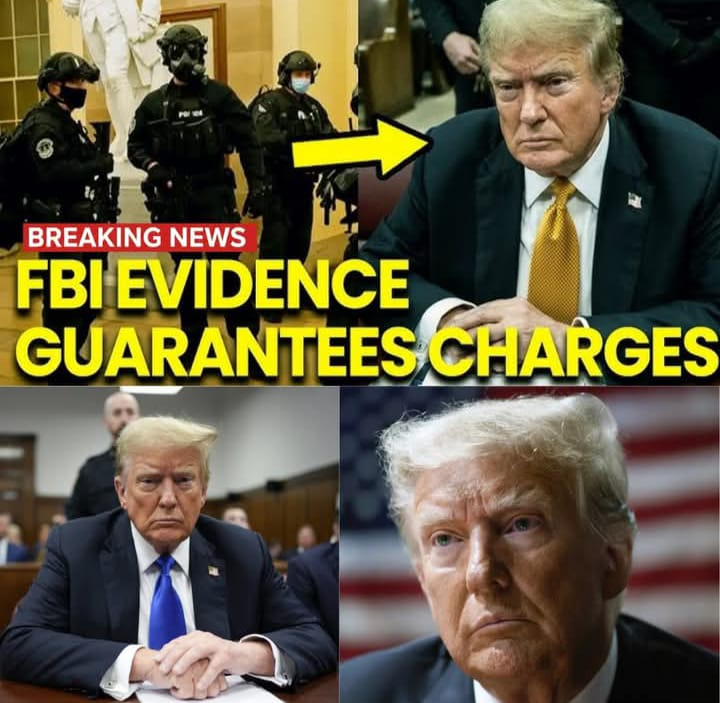
    A stunning new development is sending shockwaves through Washington as fresh FBI evidence reportedly strengthens the case for criminal charges against Donald Trump. According to sources familiar with the matter, the material significantly escalates legal pressure on Trump’s defense team and intensifies fallout across both political and legal circles.

    The evidence is said to directly bolster prosecutors’ arguments, raising serious questions about accountability and narrowing Trump’s legal options. Allies are scrambling behind the scenes, while analysts warn this could mark a decisive turning point in the investigations surrounding him.

    BREAKING: Reported New FBI Evidence Intensifies Scrutiny of Trump Investigations

    WASHINGTON, D.C. — New reports suggesting that federal investigators have obtained additional evidence in ongoing investigations involving former President Donald Trump are generating intense discussion across political and legal circles.

    According to sources familiar with the matter, the newly reported evidence could strengthen prosecutors’ positions in one or more ongoing cases, potentially increasing legal pressure on Trump’s defense team. While details remain limited, the development has fueled speculation about whether additional charges or legal actions could be pursued.

    Legal experts caution that the existence of new evidence does not automatically lead to criminal charges. Prosecutors must still evaluate the reliability, relevance, and admissibility of any material before deciding how to proceed.

    Trump’s representatives have continued to reject allegations of wrongdoing, arguing that investigations targeting the former president are politically motivated. Supporters have echoed those claims, while critics contend that any evidence should be evaluated through the normal legal process.

    The reported development has prompted renewed attention in Washington, with lawmakers, political strategists, and legal analysts closely monitoring the situation. Some observers describe the reports as a potentially significant moment, while others urge caution until official details are released by federal authorities.

    At this stage, neither the FBI nor prosecutors have publicly disclosed comprehensive information regarding the reported evidence. As a result, many questions remain unanswered, and the full legal implications are still unclear.

    Further updates are expected as investigators and court officials provide additional information in the days ahead.

  • BREAKING: Jennifer Lopez Is Engaged Again… and Her New Fiancé Is a Total Curveball! JLo’s Surprise Proposal Goes Viral — Fans Can’t Handle Who She’s Marrying This Time and you better sit down, because you might recognize him!

    BREAKING: Jennifer Lopez Is Engaged Again…and Her New Fiancé Is a Total Curveball! JLo’s Surprise Proposal Goes Viral — Fans Can’t Handle Who She’s Marrying This Time and you better sit down, because you might recognize him!BREAKING: Jennifer Lopez Is Engaged Again—And Fans Never Saw This Coming!

    The internet is buzzing after reports surfaced claiming that global superstar Jennifer Lopez has said “yes” once again—and this time, the identity of her rumored fiancé has left fans completely stunned.

    According to sources close to the singer and actress, Lopez was recently spotted celebrating with a small circle of friends after what appeared to be a private proposal. While neither Lopez nor her representatives have officially confirmed the engagement, social media erupted after photos of a sparkling diamond ring began circulating online.

    What has fans talking even more is the alleged identity of the mystery man. Insiders claim the new fiancé is a well-known public figure with ties to the entertainment industry, though not someone many expected to see romantically linked to the multi-talented star.

    Within hours, hashtags related to Lopez’s rumored engagement began trending worldwide, with fans sharing reactions ranging from shock to excitement. Some praised the singer for finding happiness again, while others speculated about how the relationship developed behind the scenes.

    As the rumors continue to spread, supporters are eagerly awaiting an official statement from Lopez. Until then, the surprise engagement story remains one of the hottest topics in celebrity news, proving once again that when it comes to Jennifer Lopez, the world is always watching.

    Stay tuned for updates as more details emerge.

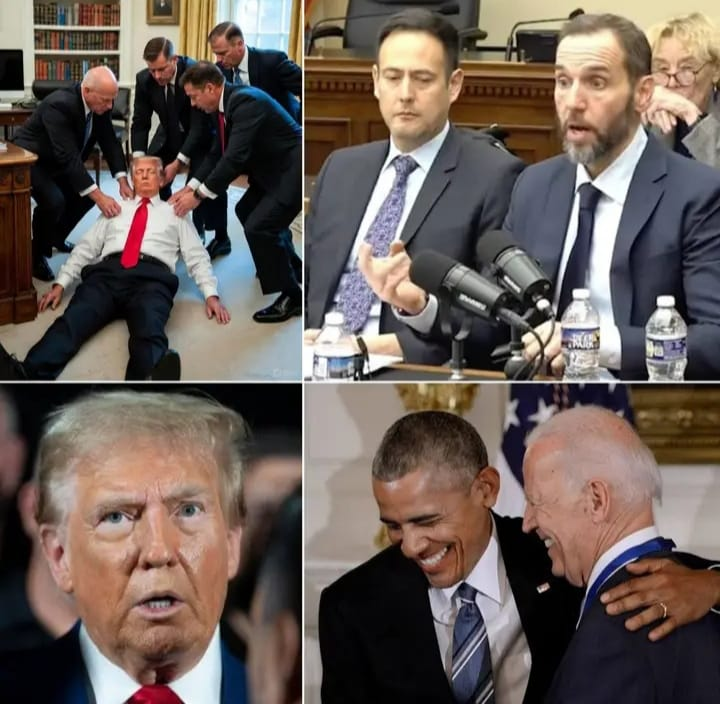
  • BREAKING: Trump “Faints” as 255-Page Bombshell HITS the Internet — Prosecutors Lay Out ALLEGED Plot to Overturn 2020 “STOP PRETENDING TO FAINT, TRUMP!”

    BREAKING: Trump “Faints” as 255-Page Bombshell HITS the Internet — Prosecutors Lay Out ALLEGED Plot to Overturn 2020 “STOP PRETENDING TO FAINT, TRUMP!”

    See more:

    10 MINUTES AGO: Trump “Faints” as Jack Smith DROPS 255 PAGES That Could CHANGE EVERYTHING — An UNDENIABLE, DAMNING Evidence Document Detailing Trump’s CRIMINAL ACTS, Including the Investigation Into His Plot to STEAL the 2020 Election, HITS the Internet

    Is Trump Trying to Escape Accountability, as the White House Doctor Breaks Silence on Trump’s Condition — a Report Many Now Believe Was Fabricated to Distract the Public From Jack Smith’s Devastating Evidence?

    Jack Smith’s Full House Testimony Looks Horrible for Trump. It Shows the Investigation Was Completely Warranted, That Trump Clearly Broke Multiple Laws, and That He Would Have Almost Certainly Been Convicted. No Wonder Republicans Pushed to Keep It Behind Closed Doors, Even as Smith Demanded His Appearance Be Public.

    Obama and Biden’s reaction to the news makes it more hilarious…

    BREAKING: Political Firestorm Erupts After Explosive Trump Documents Surface Online

    Washington, D.C. — Political tensions exploded across the United States after a massive 255-page document tied to Special Counsel Jack Smith’s investigation into Donald Trump’s alleged efforts to overturn the 2020 presidential election surfaced online late Tuesday evening. The release immediately triggered fierce reactions from both supporters and critics of the former president.

    Social media erupted with dramatic claims that Trump had “fainted” upon learning of the document’s publication, though no verified evidence has confirmed the reports. Several online commentators accused Trump allies of attempting to shift public attention toward rumors about his health instead of the newly released legal material.

    The document reportedly outlines prosecutors’ evidence regarding alleged attempts to challenge the certification of the 2020 election results. Legal analysts say the material paints one of the clearest pictures yet of how investigators believed efforts were coordinated behind the scenes during the chaotic weeks following the election.

    Critics of Trump described the release as politically devastating, arguing it reinforces accusations that the former president knowingly pushed false claims about election fraud. Supporters, however, dismissed the report as politically motivated and accused federal investigators of interfering in the upcoming election cycle.

    The controversy intensified after renewed attention fell on testimony connected to Jack Smith’s investigation. Some commentators claimed the testimony demonstrated prosecutors had strong grounds to pursue criminal charges and argued the evidence could have led to convictions had the cases fully proceeded in court.

    Former Presidents Barack Obama and Joe Biden did not directly address the viral rumors surrounding Trump’s alleged health scare, though online users widely circulated reaction memes and clips mocking the unfolding drama.

    Meanwhile, Trump campaign representatives strongly denied all accusations connected to the investigation, maintaining that the former president’s actions after the 2020 election were lawful and protected under his constitutional rights.

    As the political battle intensifies, analysts warn the release could further deepen divisions across the country heading into another heated election season.

  • BREAKING: 15 minutes ago in Texas, doctors confirmed to the family that former actor Bruce Willis has been confirmed…see more

    BREAKING: 15 minutes ago in Texas, doctors confirmed to the family that former actor Bruce Willis has been confirmed…see more

    BREAKING: Family Receives Health Update on Bruce Willis Amid Ongoing Battle With Dementia

    Texas — Social media was flooded with concern today after posts claimed that doctors had delivered an important update regarding former actor Bruce Willis. However, no official statement confirming the viral claims has been released by the Willis family or their representatives.

    Willis, 71, has remained largely out of the public eye since his family announced in 2023 that he had been diagnosed with frontotemporal dementia (FTD), a progressive neurological condition that affects communication, behavior, and cognitive abilities.

    Family members have periodically shared updates about his condition, expressing gratitude for the support received from fans around the world while continuing to advocate for greater awareness of dementia-related illnesses.

    At the time of publication, reports circulating online remain unverified. Fans are encouraged to rely on official family statements and reputable news sources for accurate information regarding Willis’ health.

    Bruce Willis is widely recognized for his iconic roles in films such as “Die Hard,” “The Sixth Sense,” and “Armageddon,” leaving a lasting impact on the entertainment industry and generations of moviegoers.