Introduction: A Pin That Speaks Volumes
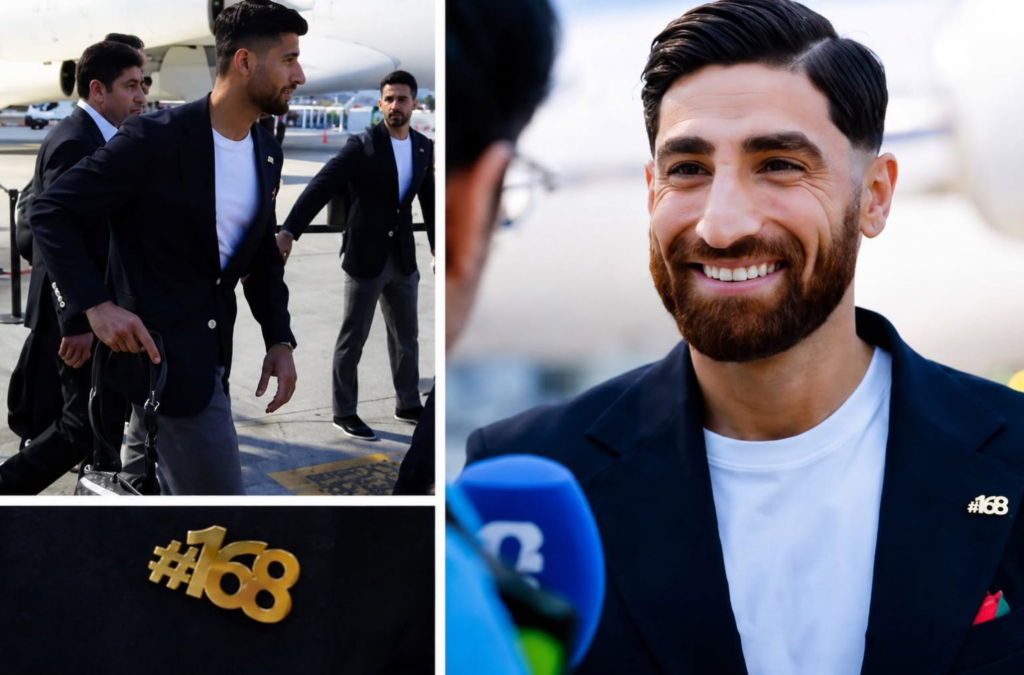
On the eve of the 2026 FIFA World Cup, the Iranian national soccer team arrived in Mexico wearing lapel pins numbered #168. At first glance, these small symbols may appear like routine gestures or personal statements. But behind the pin lies a story of tragedy, remembrance, and resilience that has reverberated across the globe.
The number 168 refers to the reported victims of a devastating strike on a school in Iran, a single, heartbreaking incident that claimed the lives of 168 schoolchildren. For the Iranian athletes, wearing this pin was not about politics or media attention—it was about carrying memory, dignity, and the weight of those lost lives into an international arena.
The Tragedy Behind the Number
On February 28, 2026, in the southern Iranian city of Minab, a school became the epicenter of a national tragedy. Reports from local authorities stated that 168 people, primarily children, perished in the strike. The incident, devastating in scale and scope, sent shockwaves through Iranian society and drew global attention to the ongoing humanitarian crisis in the region.
While details remain politically and legally complex, what is undeniable is the human toll. Each number represents a life abruptly ended, futures never realized, and families left to navigate grief that cannot be measured. For the Iranian soccer team, these 168 lives were not statistics—they were a stark reminder of vulnerability, innocence, and the fragility of human life.

The Journey to Mexico
The Iranian team’s journey to the World Cup was itself symbolic. Denied overnight stay in the United States due to visa restrictions, the team’s arrival in Mexico became more than a logistical matter—it became a statement. Each player’s lapel pin acted as a silent memorial and a visible testament to remembrance.
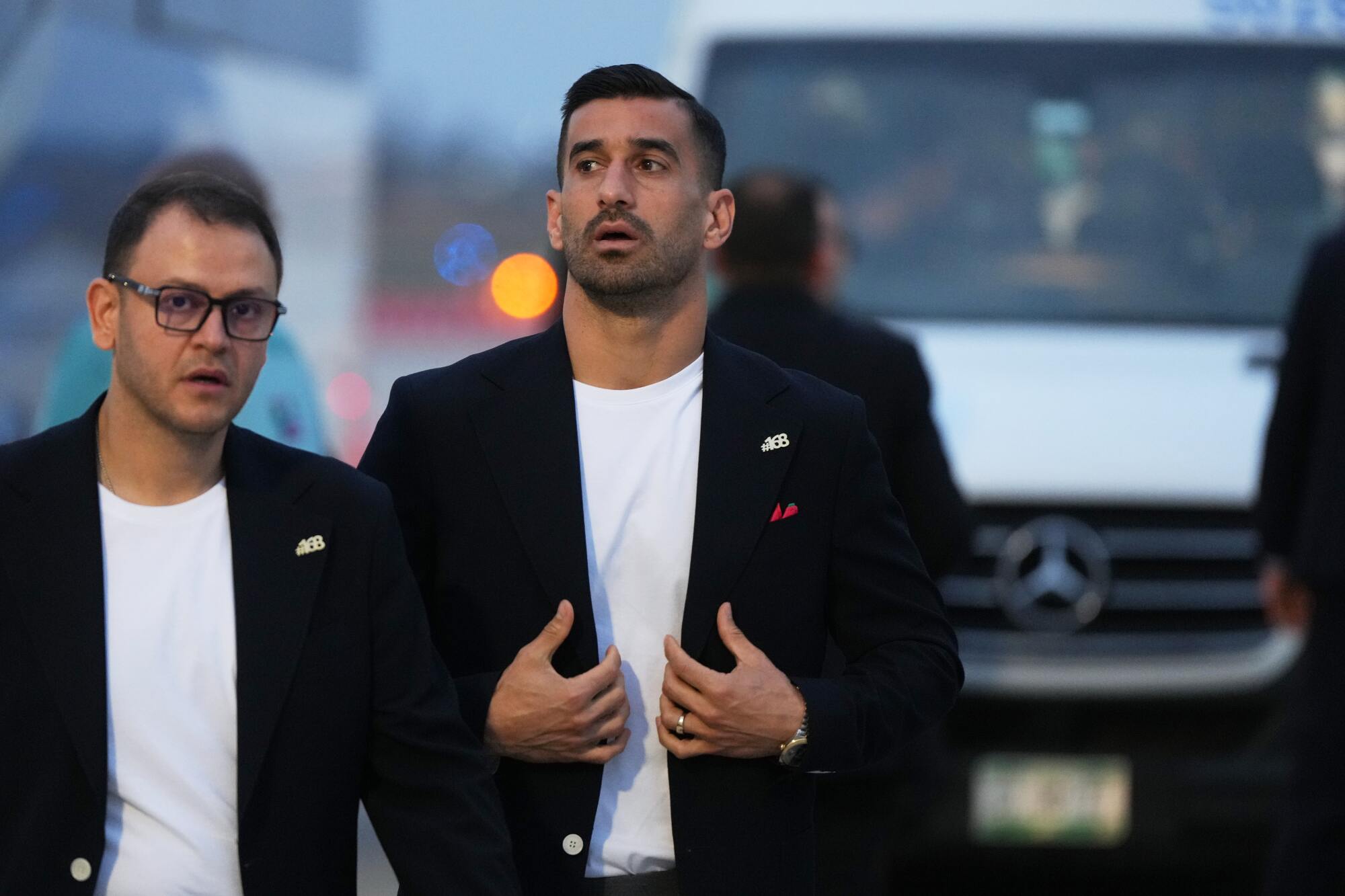
The #168 pins, carefully placed on jackets, represented solidarity with victims and a personal connection to a national tragedy. In a sport dominated by competition and spectacle, this quiet act elevated the players’ presence to a platform for grief, reflection, and global awareness.
Athletes as Messengers
Athletes often become unexpected messengers. While their primary purpose is performance on the field, moments like these remind us that sport intersects with the human condition in profound ways. The Iranian soccer players, through a simple gesture, turned a global sporting event into a platform for remembrance.
Their quiet tribute forced media, fans, and fellow athletes to confront the reality behind the number. The #168 pins were a call to reflection: even amidst joy, cheering, and competition, the world carries wounds that must not be forgotten.

Global Media Attention
International coverage of the pins brought the story into households worldwide. Outlets from Europe, Asia, and North America reported on the gesture, highlighting the human cost behind the tragedy and the moral weight carried by the athletes.
Commentators debated the significance of such symbolic acts in international sports. Critics questioned whether political gestures had a place in athletic arenas, while supporters emphasized that human tragedy transcends political rules. For many, the discussion was secondary to the emotional resonance: 168 lives lost, memorialized on a lapel, could not be ignored.
The Ethics of Remembrance
The #168 pins also raise questions about ethical remembrance. How do athletes honor the memory of victims while participating in international competitions? How should governing bodies like FIFA balance rules against political expression with human empathy?
In this case, the pins were subtle, non-disruptive, and deeply meaningful. They did not interrupt play or distract from the tournament—they were a visual acknowledgment of loss. By wearing them, players showed that remembrance could coexist with sport, that even in the brightest stadium lights, the darkest tragedies must be remembered.
The Human Cost Beyond the Number
Each of the 168 lives represented by the pin had a story, a family, a future. Parents mourned children who should have been alive, siblings struggled to understand the sudden void, and communities grieved the interruption of normal life. The pins served as a reminder that behind every statistic is a heartbeat, a laugh, a dream that will never be realized.
For the Iranian team, the pin was a small but tangible way to honor those lives, to carry them symbolically onto the global stage, and to remind the world that human consequences extend far beyond headlines.
Responses from Fans and Public
The tribute elicited widespread reaction. Fans expressed admiration for the athletes’ courage and empathy. Social media discussions highlighted the contrast between global sporting spectacle and the realities of war and tragedy. For many, the #168 pins transformed the tournament into a platform for global awareness, bridging cultural and national divides.
Some commentators debated whether gestures of mourning had a place in international competition, but overwhelmingly, the conversation turned to empathy, grief, and the moral responsibility of witnesses to tragedy.
The Role of Sport in Social Commentary
Sport has always been intertwined with society, politics, and human emotion. From gestures of protest to moments of silence, the global visibility of athletes allows them to reflect on broader issues. In this case, the Iranian team demonstrated that tribute can be quiet, respectful, and profoundly moving, requiring no interruption of play, no headlines, and no disruption—only a visible, heartfelt act of remembrance.
Symbolism and Memory
Numbers have power. The number 168, so simple on a pin, encapsulates profound human loss. It is both abstract and concrete: a statistic and a collection of individual tragedies. By wearing it, the Iranian players transformed a numeric symbol into a vessel for memory, empathy, and moral reflection.
This act demonstrates how simple symbols, when contextualized, carry the weight of history, grief, and awareness. In this sense, a lapel pin becomes more than decoration—it becomes a moral statement.
Legacy: Remembering Through Action
The #168 pin is now part of the story of the 2026 World Cup. It reminds fans, commentators, and athletes that sport is not separate from the world—it is part of it. It reflects the reality that athletes can be both competitors and witnesses, players and advocates.
For the Iranian team, the gesture is permanent: a commitment to memory, a public acknowledgment of human suffering, and a call for the world to see and remember. It is a quiet, powerful act that transcends borders, politics, and language.
Conclusion: A Number That Speaks
The #168 pins worn by the Iranian soccer team serve as a stark, poignant reminder of tragedy, loss, and the human cost behind statistics. They symbolize the lives of children lost, the grief of families, and the moral responsibility of witnesses.
In a tournament celebrated for athletic skill, excitement, and global competition, this gesture reminds the world that numbers on a pin can carry a story, a memory, and a call to compassion. It is a lesson in empathy, humility, and the power of quiet, symbolic protest to honor lives that cannot be forgotten.
Leave a Reply