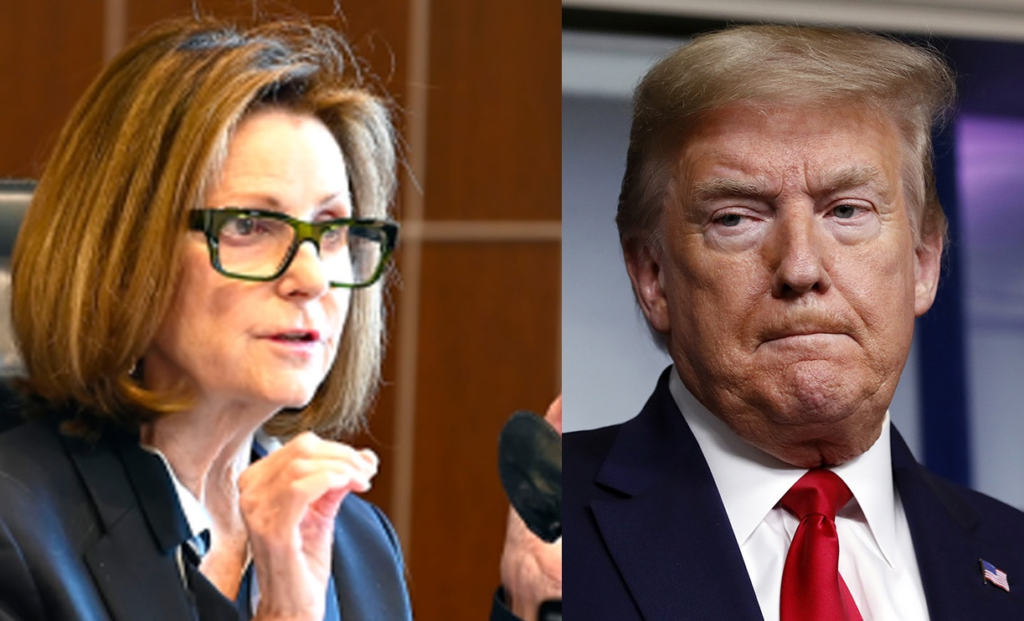
In an unprecedented legal development, Federal Judge Kathleen Williams has reopened Donald Trump’s $10 billion lawsuit against the IRS, demanding answers to serious allegations of deception, collusion, and potential fraud against her court. What began as a dismissed case has now spiraled back into the spotlight, highlighting concerns about transparency, accountability, and the rule of law at the highest levels of American governance.
This is a story of legal drama, political maneuvering, and historic stakes, all rolled into a single case. The judge’s order is not merely procedural—it is a direct challenge to the former president and his legal team, a reminder that judicial oversight remains a cornerstone of American democracy.
The Case That Trump Tried to Dodge
Last week, Donald Trump voluntarily dismissed the lawsuit against the IRS, a move widely seen as a strategic retreat to avoid scrutiny by Judge Williams. The case, which sought $10 billion in damages from the IRS, had raised numerous questions about the intersection of personal interest, governmental authority, and legal ethics.
Judge Williams, in her pointed and precise order, made clear that she intends to investigate “grievous allegations” suggesting that the settlement was based on deception. She demanded answers to two central questions:
- Was the court itself a victim of fraud?
- Did Trump collude with his government to settle the case specifically to avoid judicial scrutiny?
The implication is explosive. Based on reported information and internal memos, both answers appear to be affirmative, casting a long shadow over the legitimacy of the settlement.
Judge Williams Takes a Stand
Judge Williams had been monitoring the case closely for weeks before Trump’s dismissal. She had repeatedly questioned the legal validity of Trump suing an agency he oversees, with government lawyers who report to him and produced a settlement negotiated with officials he appointed.
Her scrutiny raised the possibility that the parties were not adversaries, but instead engaged in a coordinated scheme to protect Trump’s interests at the expense of legal integrity. Trump’s decision to dismiss the case appeared to be an attempt to sidestep this judicial examination.

The Settlement That Raised Eyebrows
After the case was closed, the Justice Department released two extraordinary agreements:
- A $1.776 billion fund intended to compensate Trump allies,
- A one-page agreement permanently barring the IRS from auditing Trump, his family, or his businesses.
The timing and secrecy of these agreements sparked immediate concern. They were apparently negotiated while the case was supposedly active before the court, raising questions about procedural honesty and judicial oversight.
Judge Williams cited reporting from the New York Times, which revealed that the IRS had prepared a 25-page memo outlining strong defenses against Trump’s suit—none of which were ever raised, filed, or mentioned in court. This discrepancy further fueled the judge’s suspicions that the settlement was orchestrated to avoid scrutiny.
The Role of Former Judges
The order reopening the case was prompted, in part, by a filing from 35 former federal judges appointed by presidents from both parties. They argued that the scheme represented a fraudulent attempt to deceive the court and urged Judge Williams to act.
Norman Eisen, representing the former judges, stated, “We stand ready to work with the court as it investigates this matter.” Their involvement underscores the bipartisan consensus that judicial integrity must be upheld, regardless of political affiliation or public pressure.
Trump’s Attempt to Evade Justice
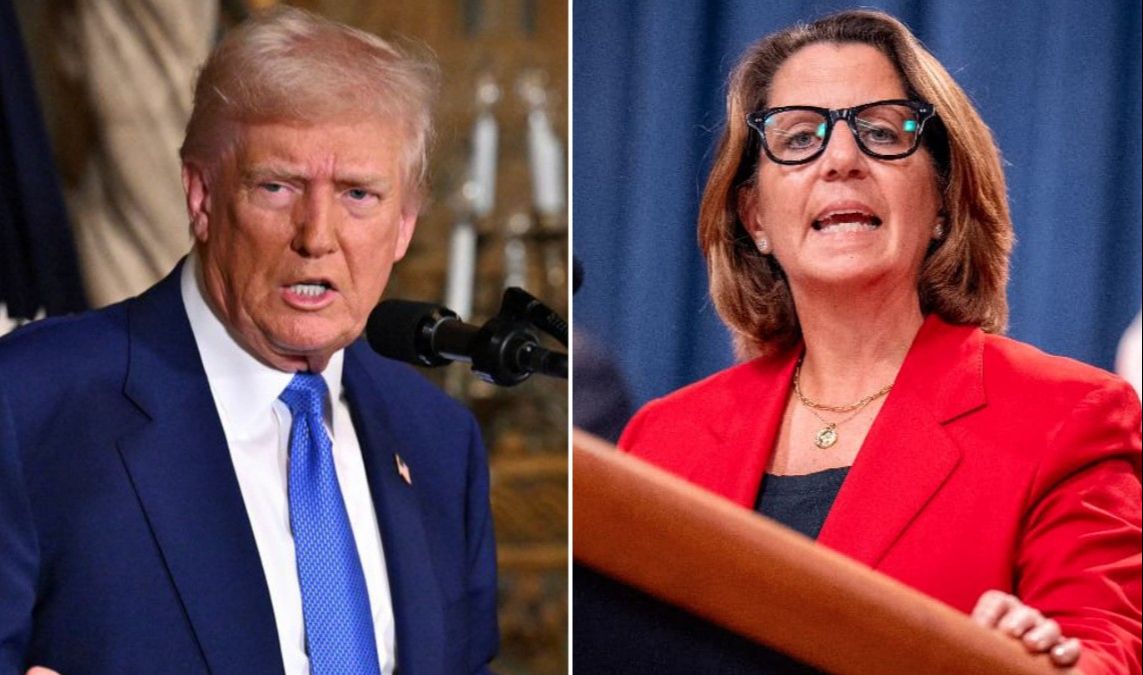
The reopening highlights a pattern of attempts to avoid accountability. By dismissing the lawsuit right before court deadlines, Trump aimed to limit exposure to judicial scrutiny. However, Judge Williams’ swift action demonstrates that courts are not passive players; they can, and will, challenge attempts to manipulate legal processes.
This episode reveals the tension between legal authority and political power. While Trump wields significant influence, even former presidents are subject to legal oversight, especially when actions raise questions of fraud or collusion.
Legal and Ethical Questions Raised
Several serious legal and ethical concerns emerge from this case:
- Voluntary Dismissal as a Shield: Can dismissing a lawsuit be used strategically to avoid scrutiny?
- Collusion with Government Agencies: Were IRS and Justice Department officials acting independently, or were they complicit in protecting Trump’s interests?
- Misrepresentation to the Court: If agreements were negotiated secretly, does this constitute fraud on the court?
- Transparency and Accountability: How will the court ensure that executive power is not misused to shield individuals from legal consequences?
Experts suggest that the judge’s investigation could set precedents for future cases involving conflicts of interest between private interests and federal agencies.
Implications for Trump’s Legacy
This legal drama has far-reaching implications beyond the courtroom. Trump’s legacy is increasingly defined by controversy, legal challenges, and allegations of misconduct. As federal oversight intensifies, questions about honesty, ethics, and accountability dominate public discourse.
Where once Trump may have relied on political influence to protect personal interests, Judge Williams’ actions demonstrate that no one is above scrutiny. This case, more than any policy failure or public scandal, directly challenges Trump’s attempt to craft a self-serving historical legacy.
Public and Media Reactions
The reopening of the IRS case has ignited debate across social media, news outlets, and political forums. Citizens, journalists, and former officials have expressed shock, anger, and a demand for accountability. Trending hashtags, commentary threads, and viral news posts illustrate the widespread attention this case is receiving.
Public sentiment is sharply divided. Supporters frame the investigation as politically motivated, while critics see it as a long-overdue assertion of judicial oversight. Either way, the narrative underscores the power of the judiciary to enforce fairness against even the most prominent political figures.
Historical Context: Checks and Balances in Action
Throughout American history, courts have acted to curb executive overreach and protect institutional integrity. From Watergate to the Clinton-era controversies, judicial oversight has served as a critical counterbalance. Judge Williams’ actions are consistent with this tradition, affirming that even powerful individuals must adhere to the law.
The reopening of Trump’s IRS case serves as a reminder that legal institutions endure, even when political leaders attempt to circumvent accountability. The courts, historically, act as guardians of fairness, ensuring that the rule of law is not compromised by personal or political interests.
Potential Consequences and Next Steps
As the case proceeds, several outcomes are possible:
- Full Investigation: Judge Williams could conduct a thorough examination of all agreements, memos, and communications to determine whether fraud occurred.
- Legal Penalties: If misconduct is confirmed, it could lead to sanctions, fines, or further legal challenges against Trump and associated officials.
- Public Oversight: The high-profile nature of the case ensures media and public attention, creating additional pressure for transparency.
Norman Eisen and other former judges have pledged cooperation, reinforcing the commitment to ensure justice is not obstructed. The deadline of June 12th to provide explanations guarantees a rapid progression, keeping the case in the spotlight.
The Bigger Picture: Accountability in American Government
This episode highlights a broader issue: executive accountability. Regardless of political affiliation, federal officials must operate transparently, ethically, and in accordance with the law. Attempts to manipulate processes or shield personal interests undermine public trust and threaten the integrity of American institutions.
Judge Williams’ decision signals that such attempts will be scrutinized and, if necessary, challenged. It reinforces the principle that courts can and should intervene when there is credible evidence of deception or collusion.
Conclusion: Justice on the Table
The reopening of Trump’s IRS case is a landmark moment, demonstrating the strength of judicial oversight in the face of political power. Judge Williams’ order challenges not only Trump’s legal strategy but also his broader pattern of using influence to shield personal interests.
As the case unfolds, the public will witness a rare instance of checks and balances in action, with implications that extend beyond one administration or one individual. It is a reminder that the rule of law is the foundation of American democracy, and no one—not even a former president—is immune from scrutiny.
The coming weeks, leading up to the June 12th deadline, promise dramatic developments as Trump’s legal team is forced to confront these allegations in detail. The nation will be watching, and history will remember this as a test of accountability, ethics, and justice.
Leave a Reply